Understanding NGO Software Needs in Kenya's Operational Landscape
Non-Governmental Organizations (NGOs) in Kenya operate in complex environments requiring robust software systems to manage operations, monitor and evaluate (M&E) projects, and ensure accountability to donors and beneficiaries. Effective NGO software must support diverse functions including data collection, reporting, beneficiary consent management, and compliance with Kenyan regulations such as the Kenya Data Protection Act (KDPA). This guide offers a practical overview for Kenyan NGOs to navigate these requirements and make informed decisions about software solutions.
Key Functional Areas for NGO technology systems Software
NGO technology systems software in Kenya should address several core operational areas: project management, monitoring and evaluation (M&E), donor reporting, beneficiary data and consent management, offline field data collection, access control, and audit trails. Each area presents unique challenges and opportunities for technology to improve efficiency and transparency.
Monitoring and Evaluation (M&E) and Donor Reporting
M&E is critical for NGOs to track project progress, measure impact, and meet donor requirements. Software solutions should enable real-time data collection, analysis, and customizable reporting formats aligned with donor templates. Integration with data visualization tools can enhance insight generation. Automated report generation reduces administrative burden and supports timely submissions, a common requirement in Kenyan donor contracts.
Beneficiary Consent and Data Protection Compliance
Respecting beneficiary privacy and complying with the Kenya Data Protection Act (2019) are non-negotiable for NGOs. Software must incorporate mechanisms to obtain, record, and manage informed consent from beneficiaries before collecting personal data. Features such as consent forms, opt-in/out options, and clear data usage explanations help ensure compliance. Secure data storage and controlled access prevent unauthorized use or breaches, aligning with KDPA obligations.
Offline Field Operations and Data Collection
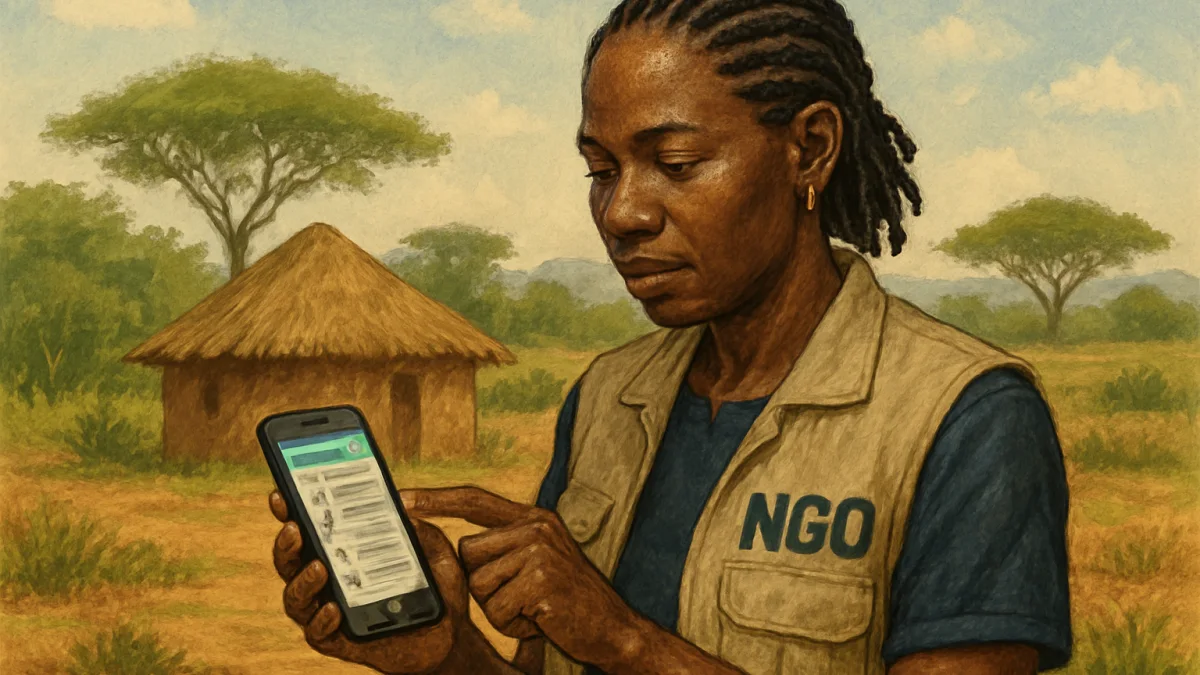
Many Kenyan NGOs operate in rural or low-connectivity areas where internet access is intermittent or unavailable. Effective NGO technology systems software must support offline data collection and synchronization. Mobile applications compatible with Android and iOS platforms can enable field officers to capture data offline and upload it once connectivity is restored. This ensures continuity of operations without compromising data integrity or timeliness.
Access Control and Audit Trails for Accountability
To maintain accountability and data security, NGO technology systems software should implement role-based access control, ensuring users can only access data relevant to their responsibilities. Comprehensive audit trails that log user activities, data changes, and report generation are essential for transparency and internal/external audits. These features help NGOs demonstrate compliance with donor requirements and regulatory standards.
Interoperability and Integration
NGO technology systems software should be interoperable with other systems such as financial management tools, payment platforms like M-Pesa, and national databases to streamline operations. Integration capabilities reduce duplication of effort and improve data accuracy. For instance, linking beneficiary data with payment systems can facilitate transparent disbursement of funds. APIs and standard data formats support these integrations effectively.
Build Versus Buy: Making the Right Software Choice
NGOs must decide whether to build custom software tailored to their specific needs or buy off-the-shelf solutions. Building custom software offers flexibility and exact fit but requires significant time, technical expertise, and budget. Buying existing solutions can be faster and more cost-effective but may lack customization. Factors influencing this decision include project complexity, budget, timeline, and internal IT capacity. Qaribuhub Solutions LTD offers custom software development services that can be tailored to NGO technology systems requirements, balancing these considerations.
Cost Considerations and Budgeting
Costs for NGO technology systems software vary widely depending on scope, complexity, and deployment model. Custom solutions typically start from moderate budgets and scale with features and integrations. Public packages and cost ranges are available for reference at Qaribuhub’s packages page, which provides transparency on pricing for various software services. NGOs should budget not only for initial development or purchase but also for ongoing maintenance, training, and support.
Checklist: Essential Features for NGO technology systems Software in Kenya
Risks and Mitigation Strategies
Next Steps for Kenyan NGOs Considering Software Solutions
NGOs should begin by assessing their operational workflows, M&E requirements, and compliance obligations. Engaging with software developers experienced in NGO technology systems systems, such as Qaribuhub Solutions LTD, can help clarify needs and explore tailored options. Reviewing case studies and understanding cost structures supports informed budgeting. Prioritize solutions that enhance data security, support offline operations, and facilitate transparent reporting to donors and beneficiaries alike.
Conclusion: Leveraging Technology for NGO technology systems Impact in Kenya
Effective NGO technology systems software is a vital enabler for operational efficiency, accountability, and compliance in Kenya’s dynamic development sector. By carefully evaluating functional needs, regulatory requirements, and build-versus-buy options, NGOs can adopt systems that empower their teams and beneficiaries. Integrating offline capabilities, consent management, and audit trails ensures resilience and trust. Partnering with experienced software developers can translate these goals into practical, sustainable solutions tailored to Kenya’s unique context.
Frequently Asked Questions (FAQs)
Answers to these FAQs can guide NGOs in selecting and implementing software that meets operational, legal, and donor expectations while safeguarding beneficiary rights and data.
Relevant Qaribuhub Services for NGOs
Sources
Frequently asked questions
What are the key compliance requirements for NGO software under the Kenya Data Protection Act?
NGO software must ensure informed beneficiary consent, secure data storage, controlled access, and transparent data processing aligned with the Kenya Data Protection Act (2019). This includes mechanisms to obtain consent, manage data subject rights, and prevent unauthorized data use.
How can offline data collection be securely managed in rural Kenyan contexts?
Offline data collection can be managed through mobile apps that store data locally with encryption and sync securely to central servers once internet connectivity is available, ensuring data integrity and continuity in low-connectivity areas.
What factors should influence the decision to build custom software versus buying an existing solution?
Considerations include budget, timeline, specific functional requirements, internal IT capacity, and the need for customization. Custom builds offer tailored solutions but require more resources, while off-the-shelf software can be quicker and less costly but less flexible.
How does role-based access control improve NGO data security?
Role-based access control restricts user permissions based on job functions, minimizing the risk of unauthorized data access or modification and ensuring that sensitive information is only available to authorized personnel.
Can NGO software integrate with M-Pesa for beneficiary payments?
Yes, integration with M-Pesa via APIs such as Safaricom's Daraja platform enables NGOs to automate and securely manage beneficiary payments, improving transparency and efficiency.
What reporting features are essential for donor accountability?
Essential features include customizable report templates, real-time data visualization, automated report generation, and export options aligned with donor requirements to facilitate timely and accurate submissions.
How can beneficiary consent be effectively recorded and managed digitally?
Digital consent can be managed through electronic forms within the software, with clear explanations of data use, options to opt-in or opt-out, and secure storage of consent records for audit purposes.
What ongoing costs should NGOs expect after software deployment?
Ongoing costs may include software maintenance, updates, user training, data hosting, and technical support. Budgeting for these ensures sustainability and continuous compliance.
Sources and further reading
- Relevant service scope — Qaribuhub
- Public packages and cost ranges — Qaribuhub
- Kenya Data Protection Act, 2019 (PDF) — ODPC Kenya
- Case studies index — Qaribuhub
- Safaricom Daraja developers — Safaricom
- Android developers documentation — Google


